SEVRANTH in agriculture
Turning agricultural evidence into informed operational decisions, for orchards, horticulture and large farms where a few people answer for a great deal of ground.
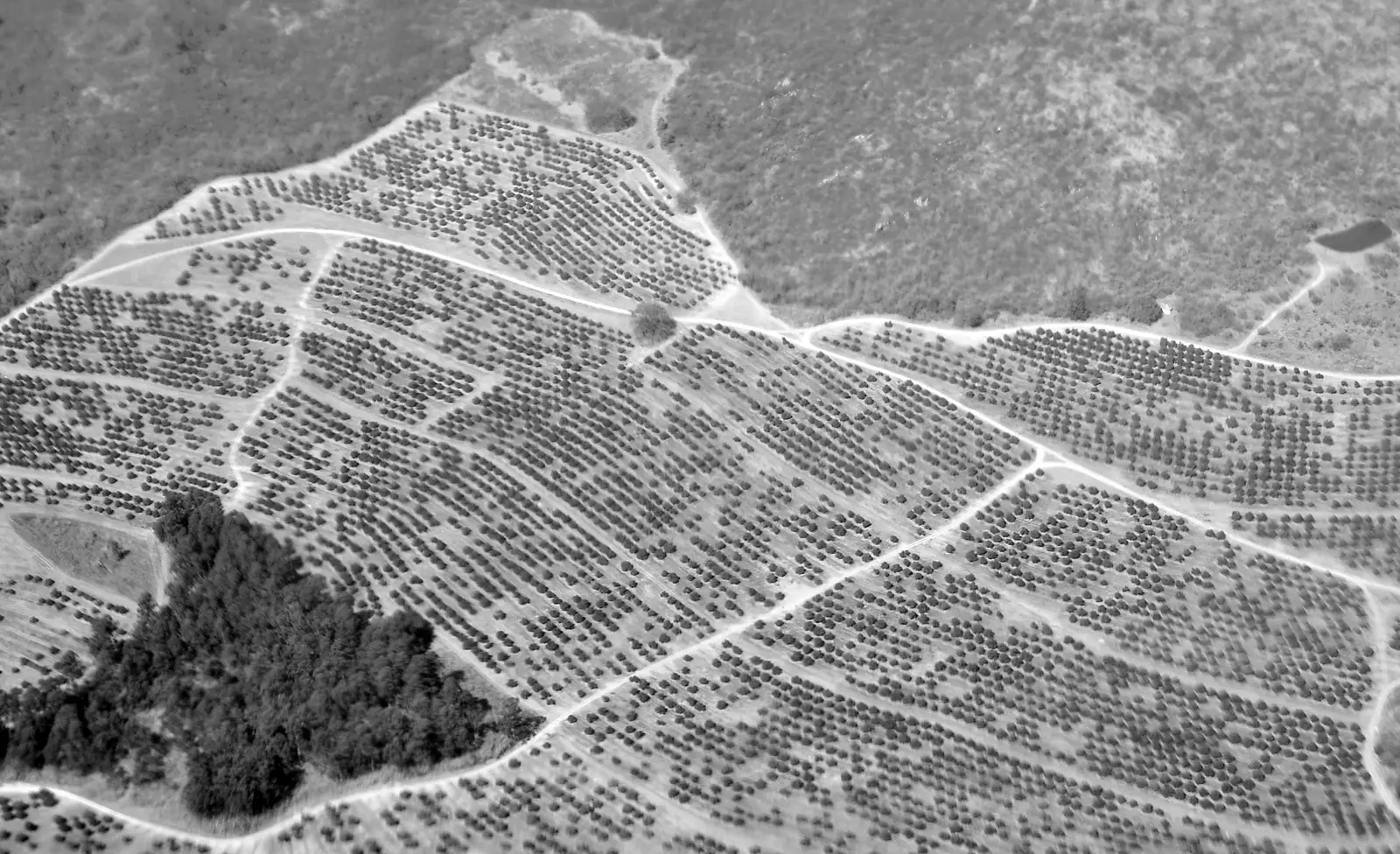
A lot of ground, a few people
Commercial orchards and large farms are run by small teams across long distances. The decisions that matter most are made on what someone last saw, often days before.
Conditions change by the hour
Heat, wind, humidity and light move faster than anyone can walk a property. A change that matters can come and go between visits.
Evidence is scattered
Weather records, photographs, spray diaries, notes and memory live in different places, and rarely line up by block, by time or by person.
Records are asked for after the fact
Buyers, auditors, insurers and boards want to know what happened and why. The answer is usually reconstructed, not looked up.
Three kinds of ground
SEVRANTH is being designed first for operations where a few people answer for a great deal of growing area.
-
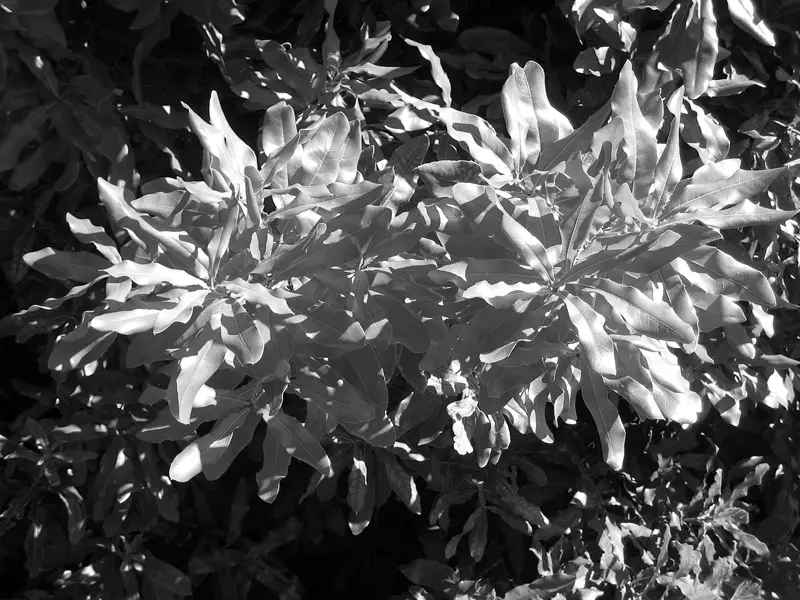
Orchards and tree crops
Long-lived trees managed block by block, where what happens this season shapes the next.
-
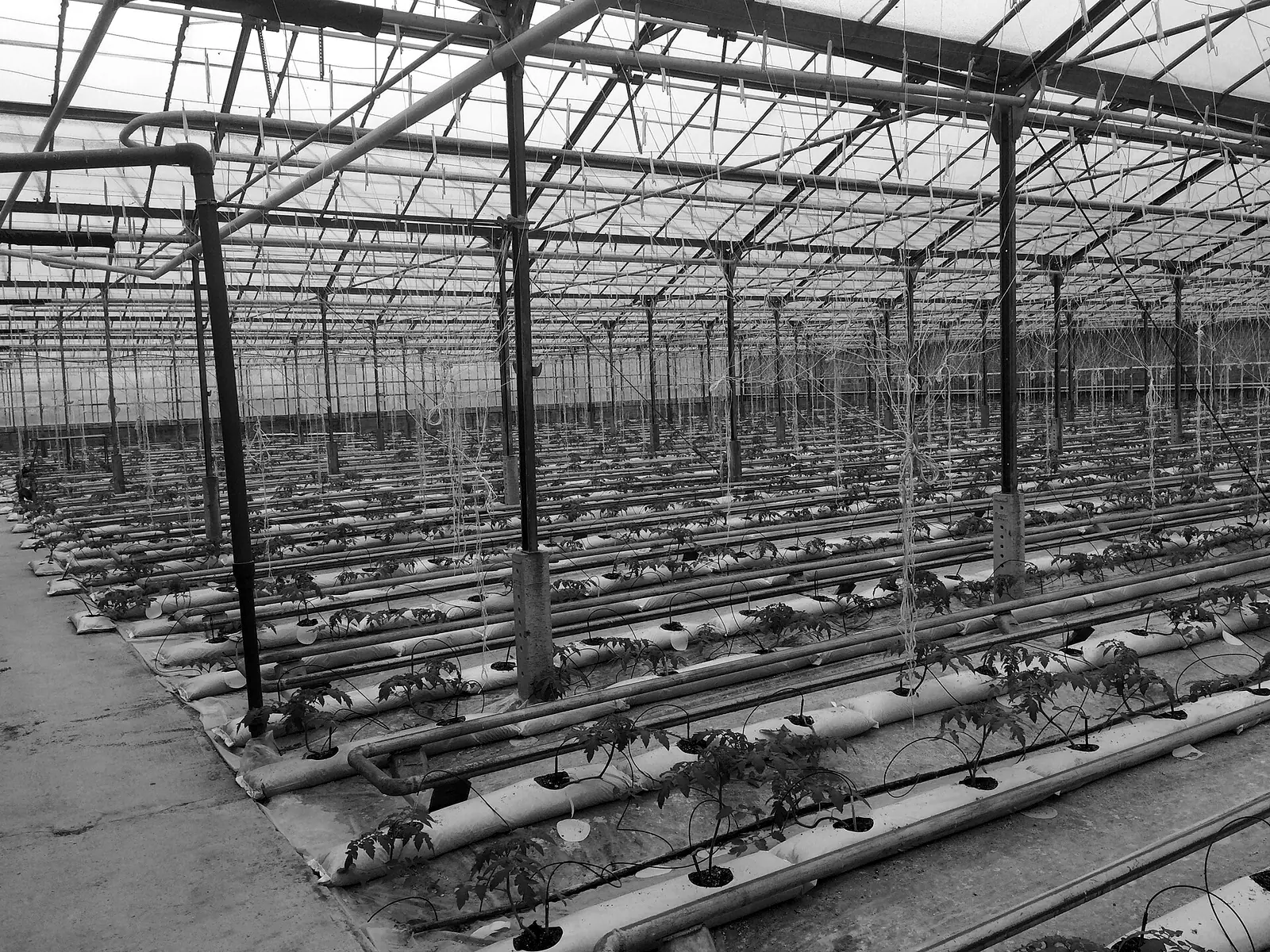
Horticulture under cover
Crops grown in greenhouses and tunnels, where temperature, humidity and light are managed through the day.
-
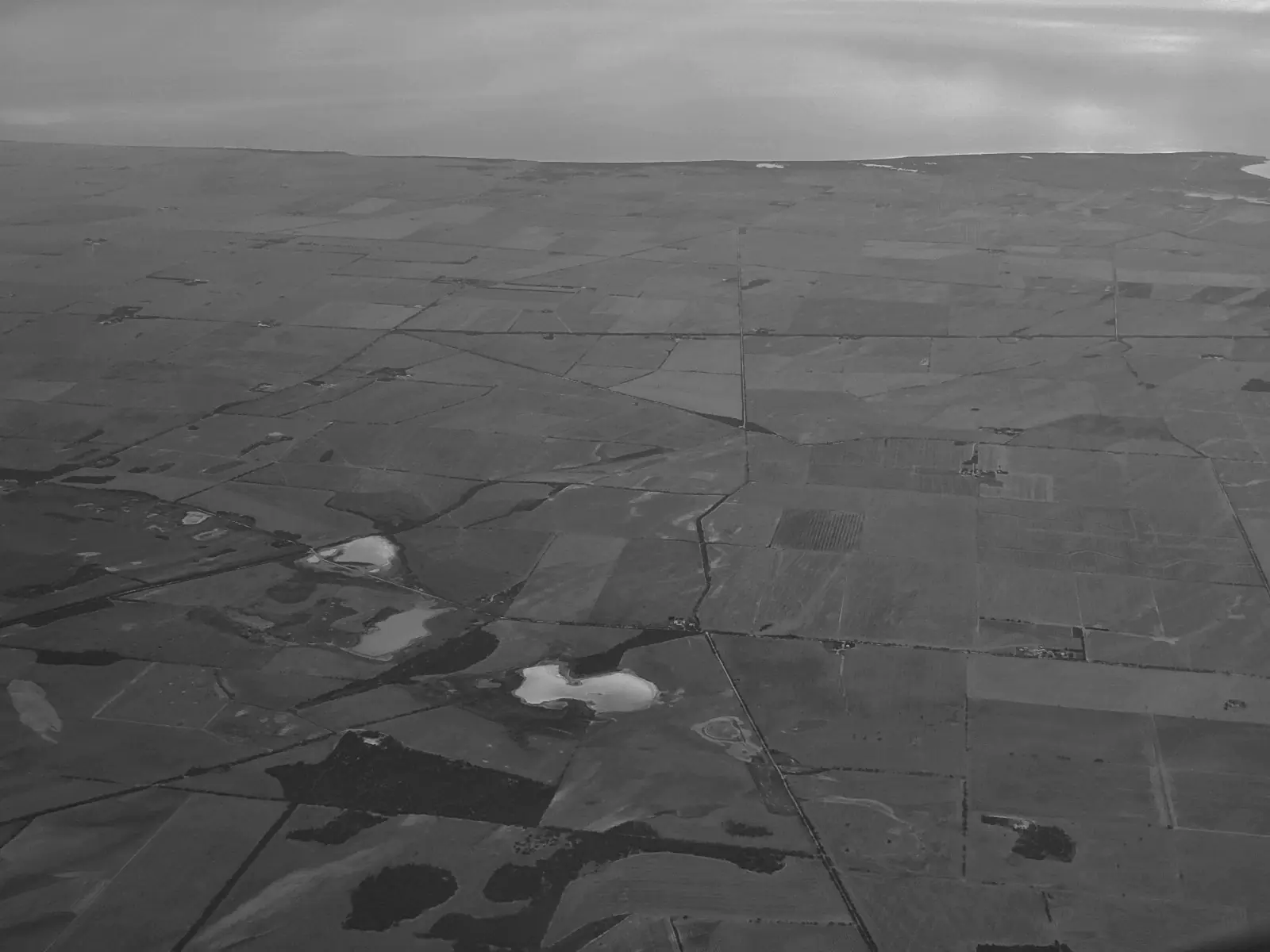
Large farms
Wide paddocks run by small teams, where distance decides how often anyone can look.
On the farm, step by step
How SEVRANTH is designed to carry one change, in one block, from the moment it is observed to an outcome someone has checked.
Observe
Conditions and imagery are recorded block by block, each with its time and place.
Analyse
Plain rules compare each block with the rest of the orchard and with its own history, and explain any flag they raise.
Investigate
The evidence for a flag sits in one view: imagery, neighbouring blocks, last season and the block's own records.
Act
A person decides. The inspection goes to the right person with the evidence attached.
Verify
The outcome is written down and checked by a named person before the flag closes.
A screening flag is a prompt to look, not a diagnosis. SEVRANTH does not predict yields, detect disease or prescribe irrigation. Walk through the demonstration
Sensing now, reach later
Three vantage points over the same ground. One exists today as an early prototype; two are future capabilities.
-
At fixed points
Early working prototypeSEVRANTH Field: stationary sensing of environmental conditions and imagery at chosen points in a block, each observation kept with its time, place and origin.
-
Along the routes
Future capabilitySEVRANTH Mobile: observation from the vehicles and machinery that already cross the farm every day, covering ground fixed points cannot.
-
From above
Future capabilitySEVRANTH Aerial: an aerial view joined to the same record, to help direct attention to where it is needed on the ground.
Where it stands
Technology for farms has to earn its place in stages. This is the ladder SEVRANTH is climbing, and exactly where it is on it.
Testing in development
ReachedCore and the Field prototype have been tested together in development conditions, including records that carry their time and origin.
Simulation with synthetic data
ReachedWorkflows are exercised with synthetic data. The demonstration on this site is synthetic.
Working prototypes
Reached, earlyCore runs as working development software. Field is an early working prototype.
Field trial
In preparationIntegrated field commissioning remains outstanding. A first agricultural deployment is being prepared.
Validated operation
Not yetNo validated real-world operation, customer results, yields or savings are claimed.
Designed to change
These are the benefits SEVRANTH is being built to deliver. They are intentions, not results: SEVRANTH has not been deployed with a customer, and nothing here is a measured outcome.
Fewer blind spots
Know what changed between inspections, while there is still time to act on it.
Time where it counts
Send people to the blocks that need them, instead of walking every row to find out.
Decisions with their evidence
Every action carries what it was based on, so it can be explained later.
Outcomes, verified
What was done, by whom, and whether it was checked rather than assumed.
Records that hold up
Evidence ready when a buyer, auditor, insurer or board asks for it.
Knowledge that stays
What a season taught stays with the operation, not in one person's memory.
Run an orchard or a large farm?
If your operation could help shape where SEVRANTH goes next, we would like to hear how it works today.
Talk about your operation